What Happens During a Wedding Ceremony? The Complete Step by Step Guide
Most brides have never planned a wedding ceremony before, so it is completely normal not to know what actually happens or in what order things take place!
A wedding ceremony may feel like a single continuous moment, but in reality it is a series of carefully structured segments. Each part has its own emotional purpose, pacing, and energy.
Music is what connects these moments together. It signals transitions, builds anticipation, and shapes how each part of the ceremony is felt by both the couple and their guests.
Understanding the anatomy of a ceremony helps you make more intentional decisions about your music and overall guest experience.

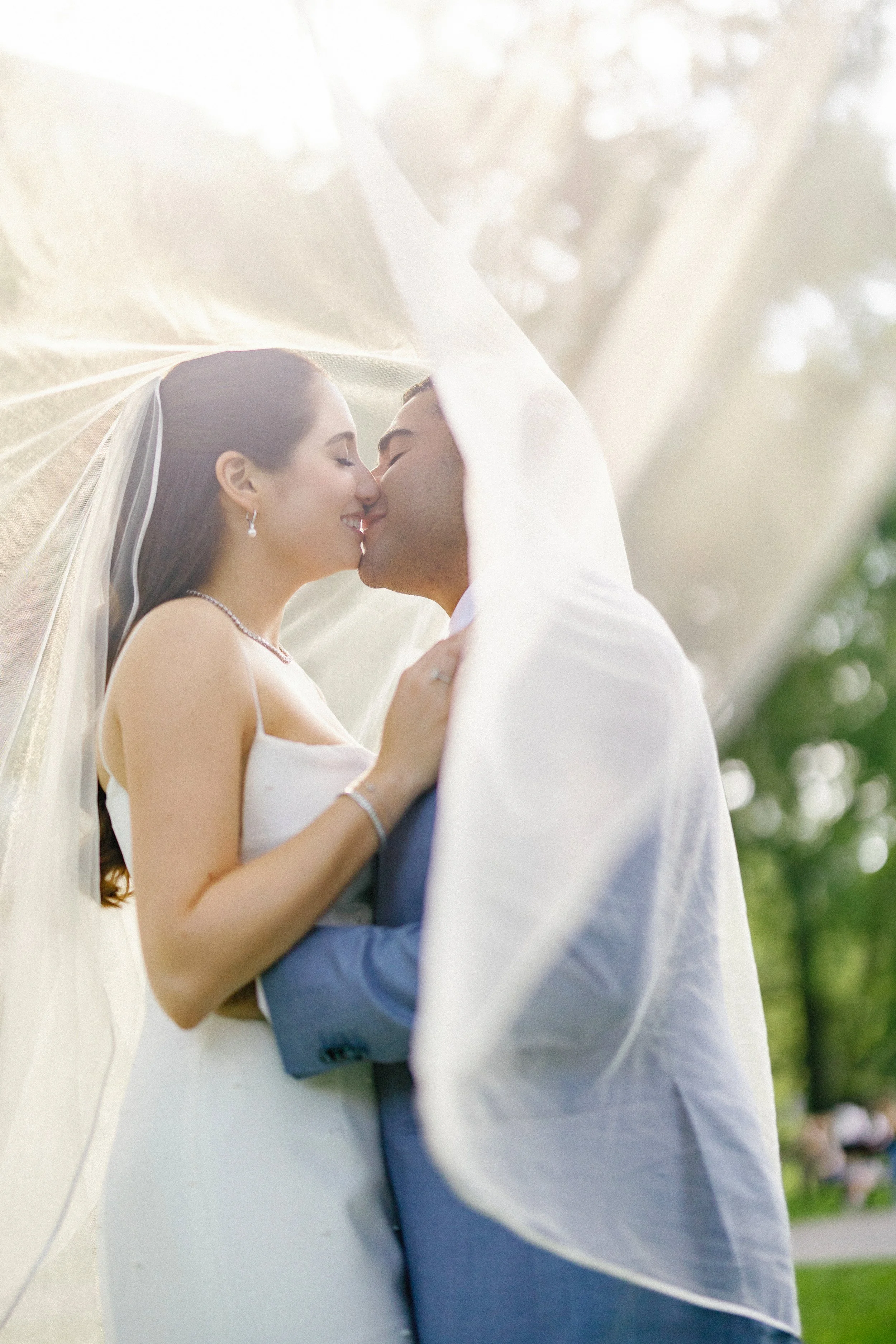
1. Prelude
The ceremony experience begins long before the couple enters.
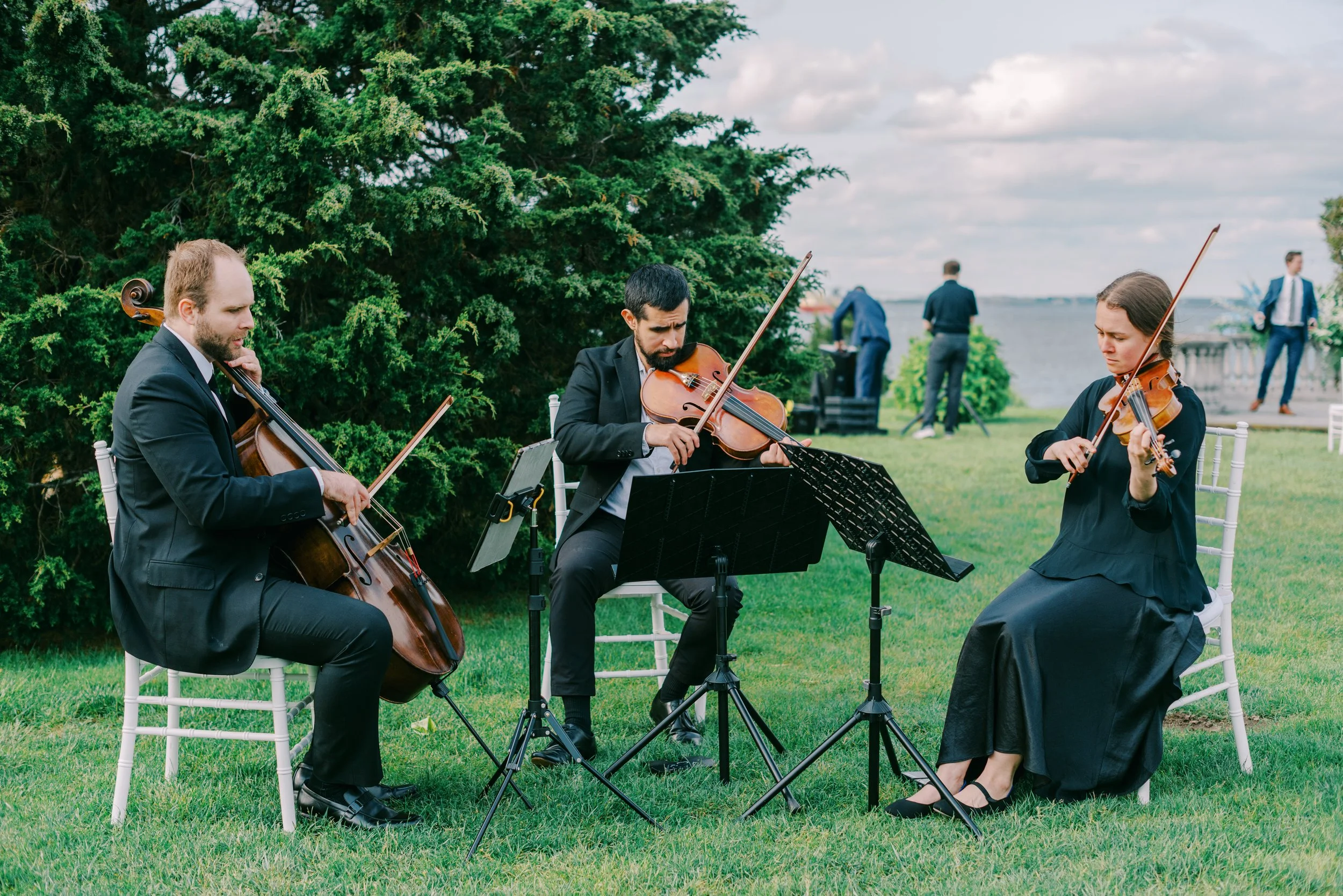
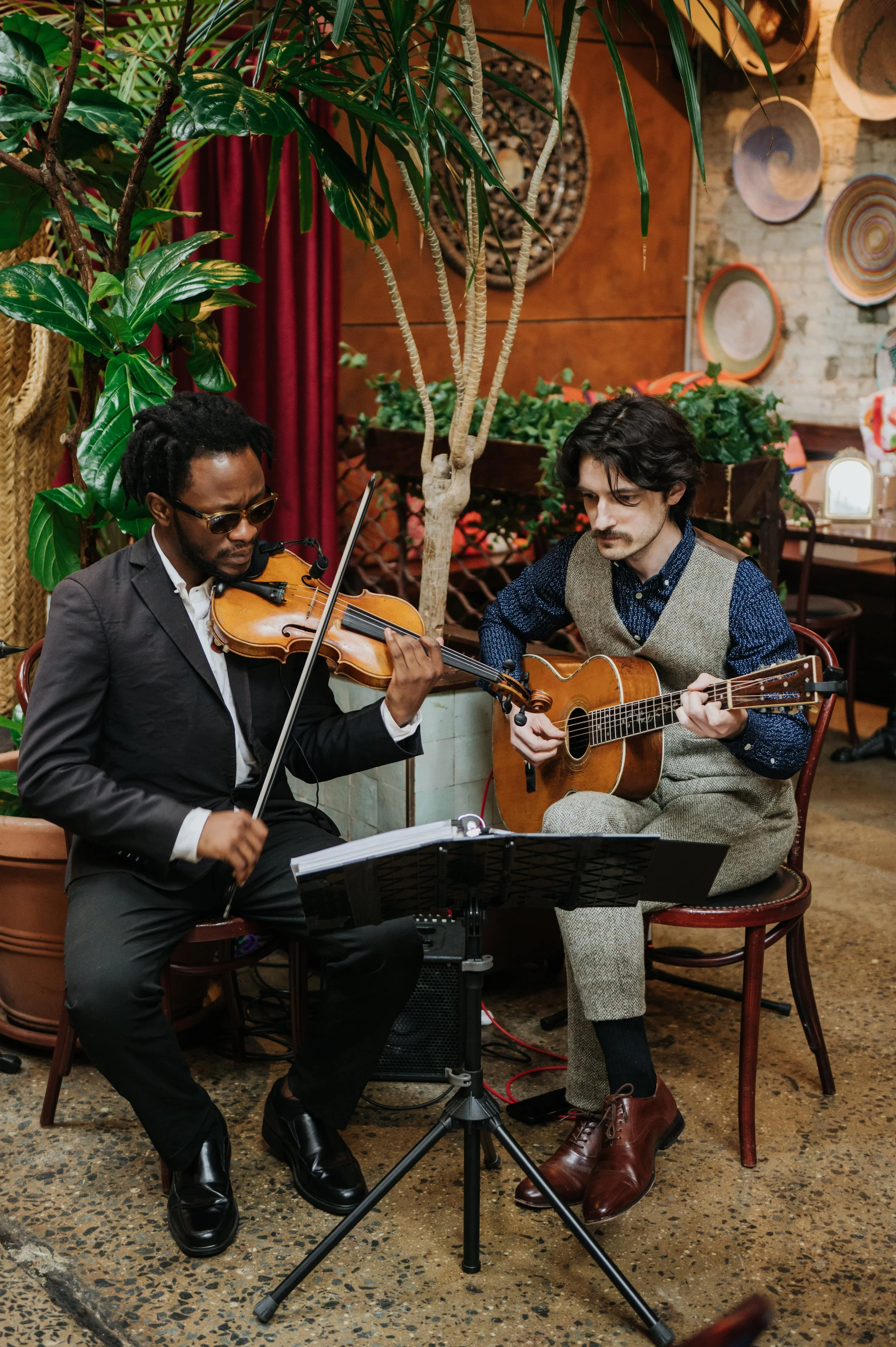
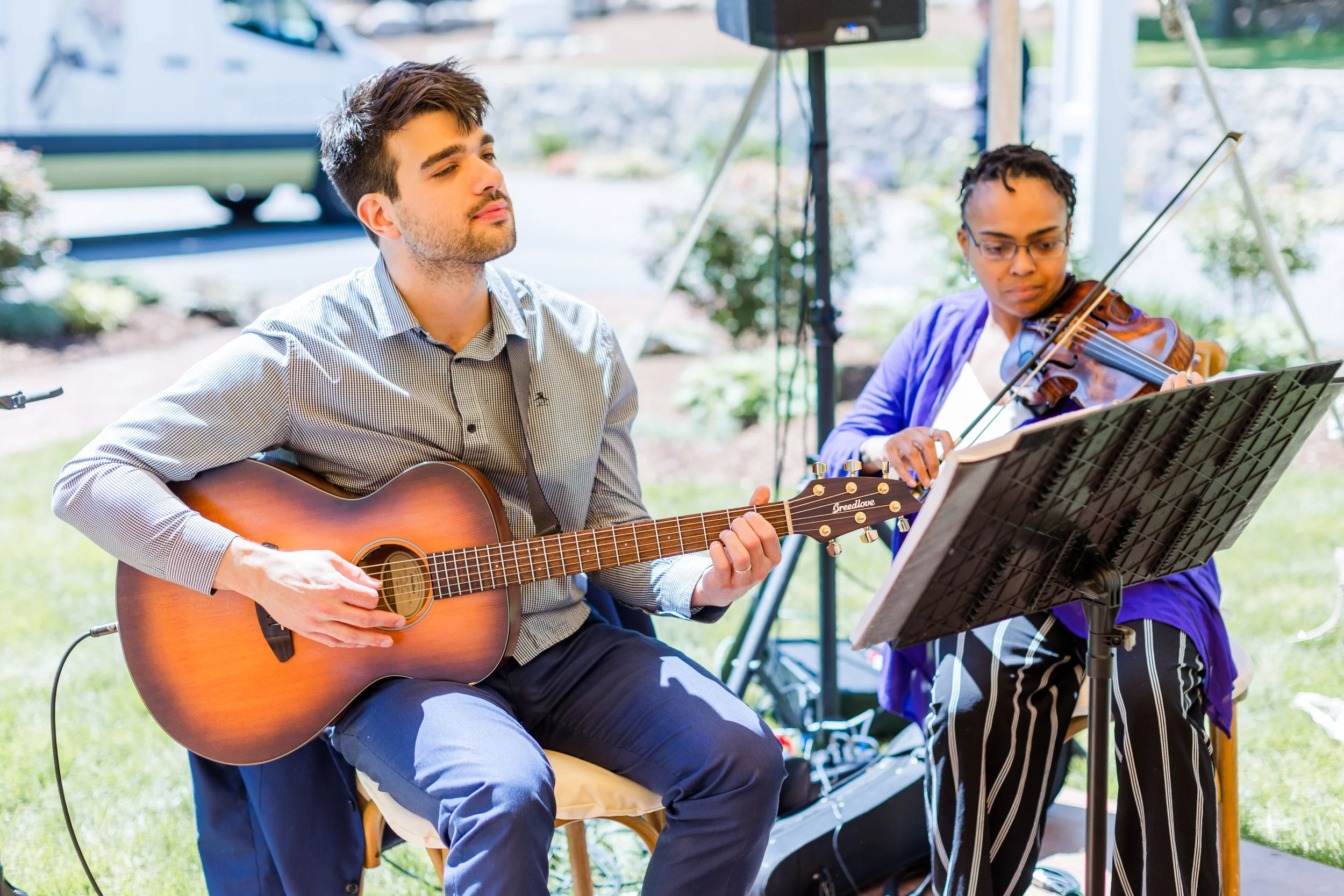
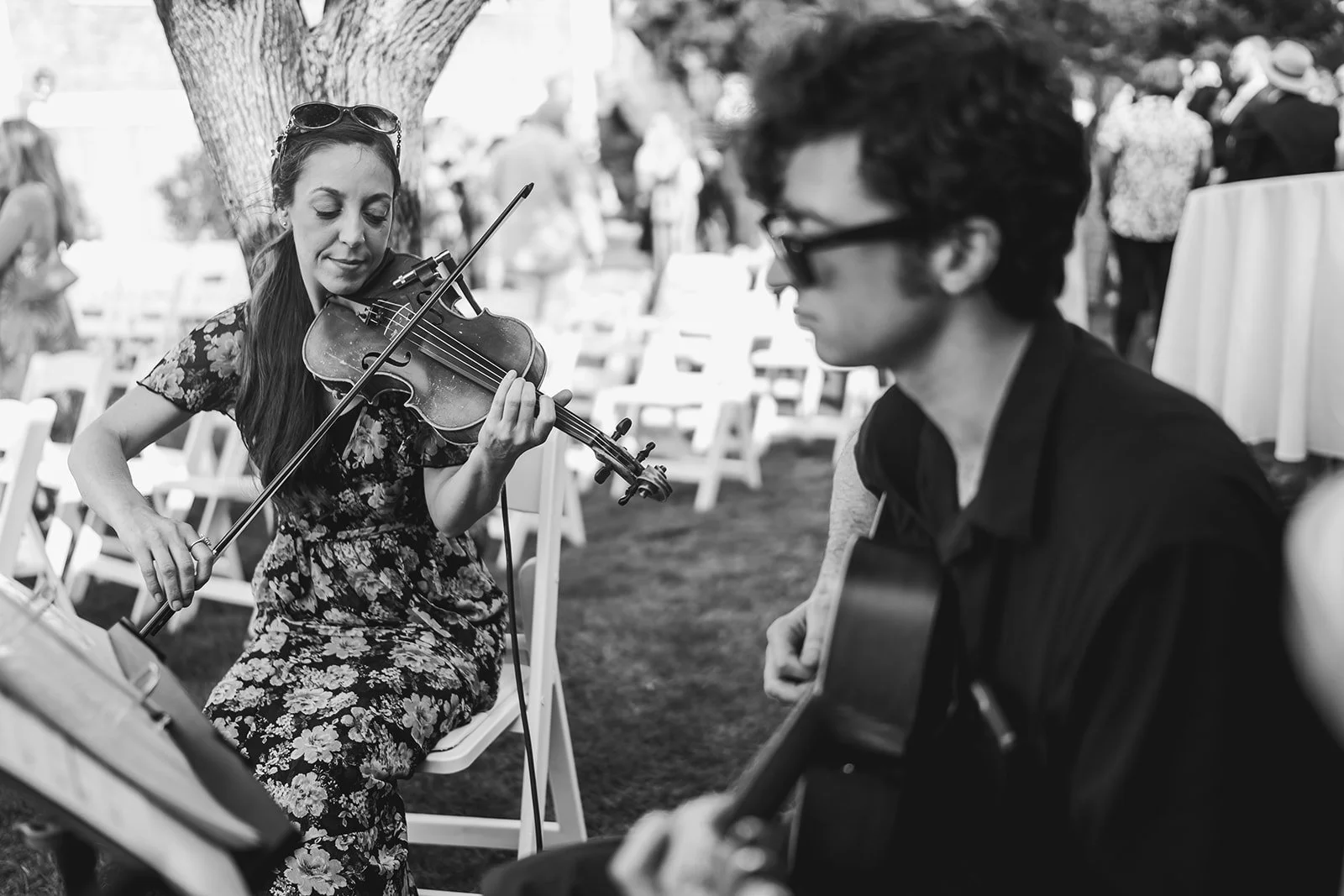
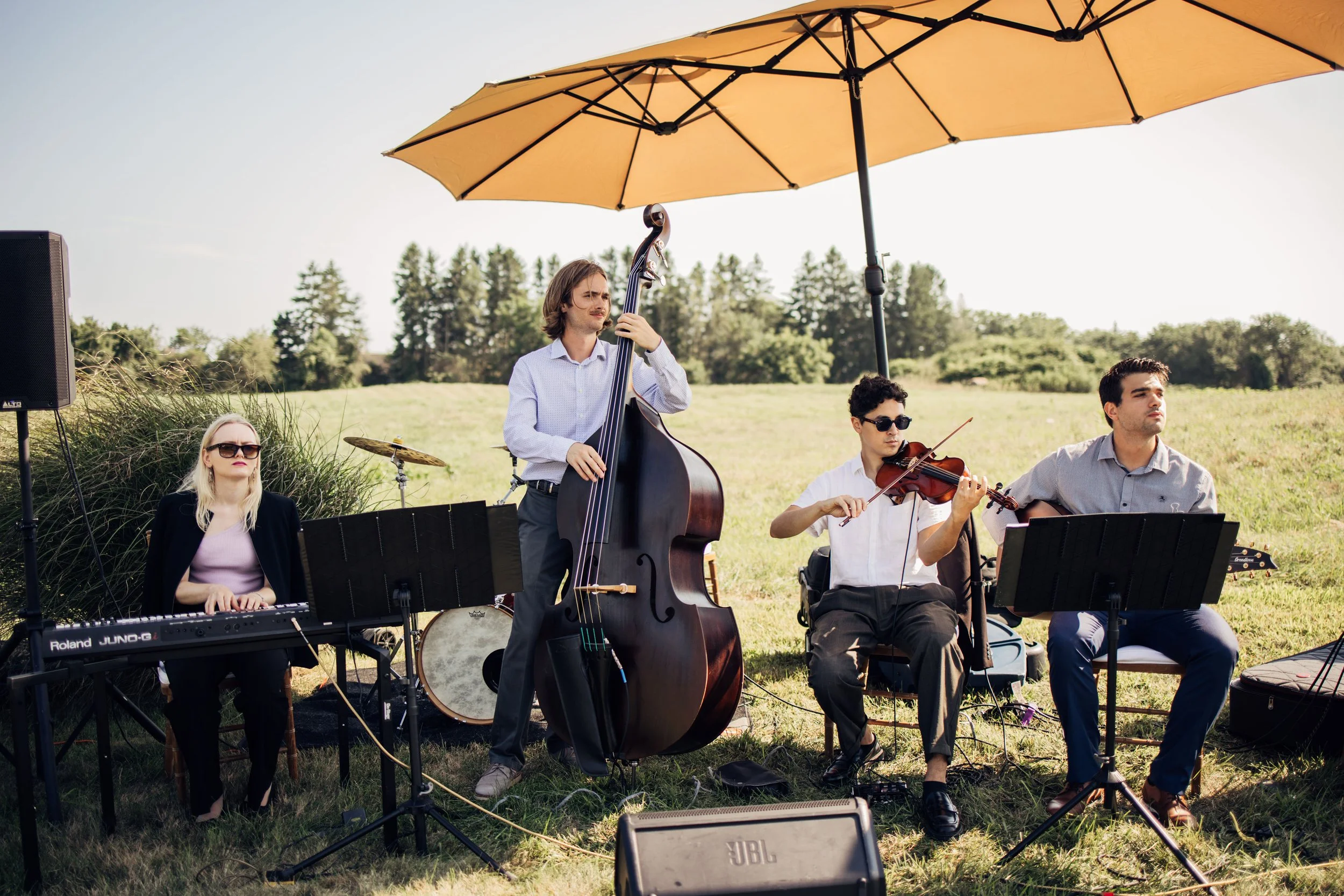
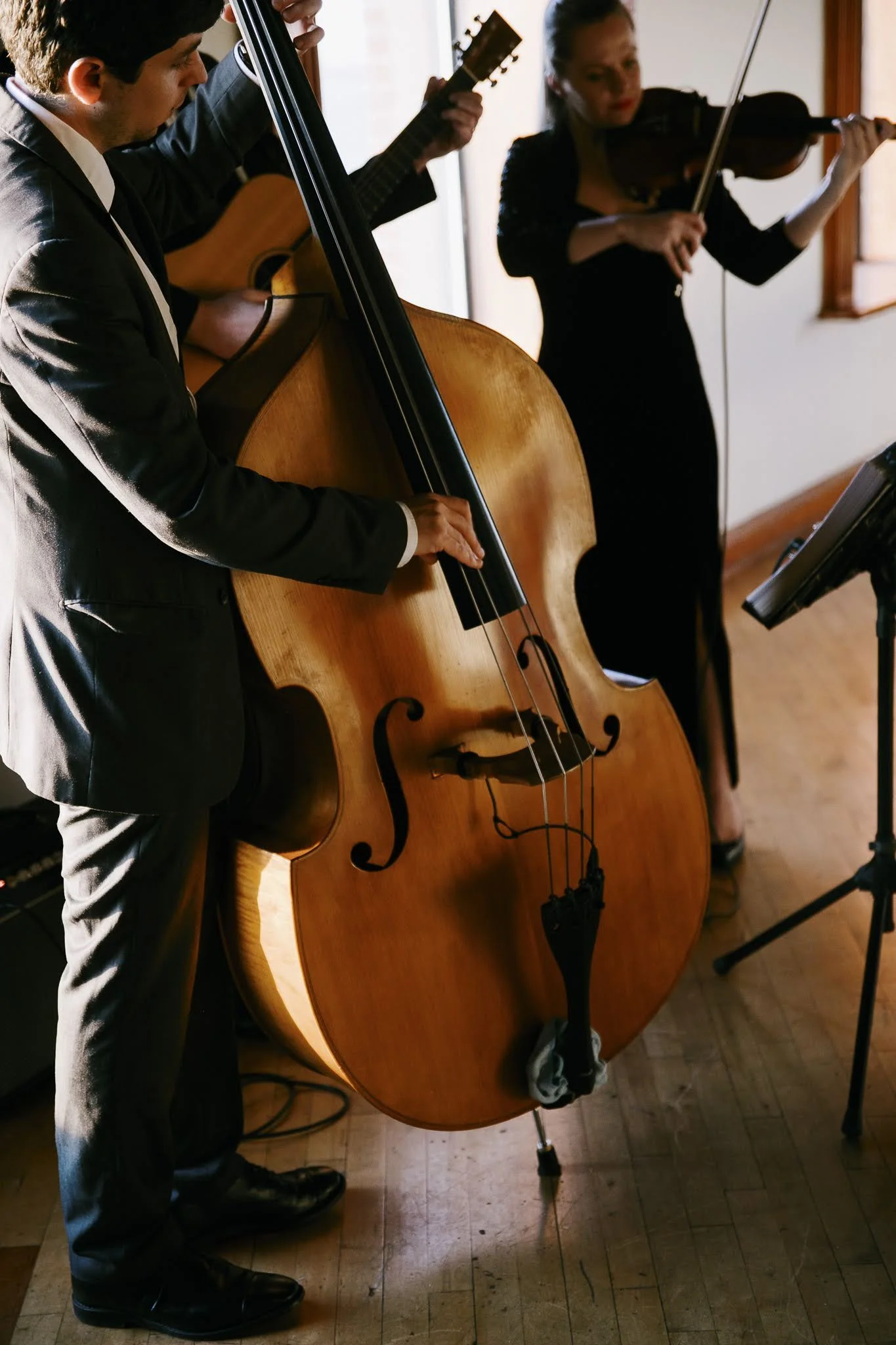
As guests arrive and take their seats, music sets the tone for everything that follows. This is often referred to as prelude music.
Typical choices include:
This music should feel welcoming and elegant, creating a sense of anticipation without drawing attention away from conversation and seating.
2. Seating of VIP Guests
In many ceremonies, close family members such as parents and grandparents are seated just before the processional begins.
Music during this moment often becomes slightly more intentional or emotional. It gently signals that the ceremony is about to begin.
This is a subtle but important shift in energy.
3. Wedding Party Processional
The processional marks the official beginning of the ceremony.
This is typically when the wedding party walks down the aisle. The music here is often steady, elegant, and paced to match the walking rhythm of multiple people.
Common approaches include:
One continuous song for the entire wedding party
A separate song that transitions into the bride’s entrance
Gradual musical build to increase anticipation
Need inspiration on what song to choose for your bridal party? Check out our blog about our Top 10 songs!
4. Bride’s Entrance
This is one of the most emotionally significant moments of the entire day.
Music choice here is critical because it controls timing, emotional impact, and pacing.
A strong bride’s entrance song:
Builds naturally
Matches walking speed
Creates anticipation for guests
Delivers a clear emotional peak
Whether performed live or played from a recording, this moment often becomes one of the most remembered parts of the ceremony.
Not sure which songs work best?? Check out our blog about our Top 10 songs Processional Song!
5. The Ceremony Itself
Once everyone is in place, the ceremony shifts into its core structure. This includes readings, vows, rituals, and the official marriage declaration.
Music during this portion is typically minimal or absent, but it can be used strategically for:
Unity ceremonies
Special readings or tributes
Cultural or religious traditions
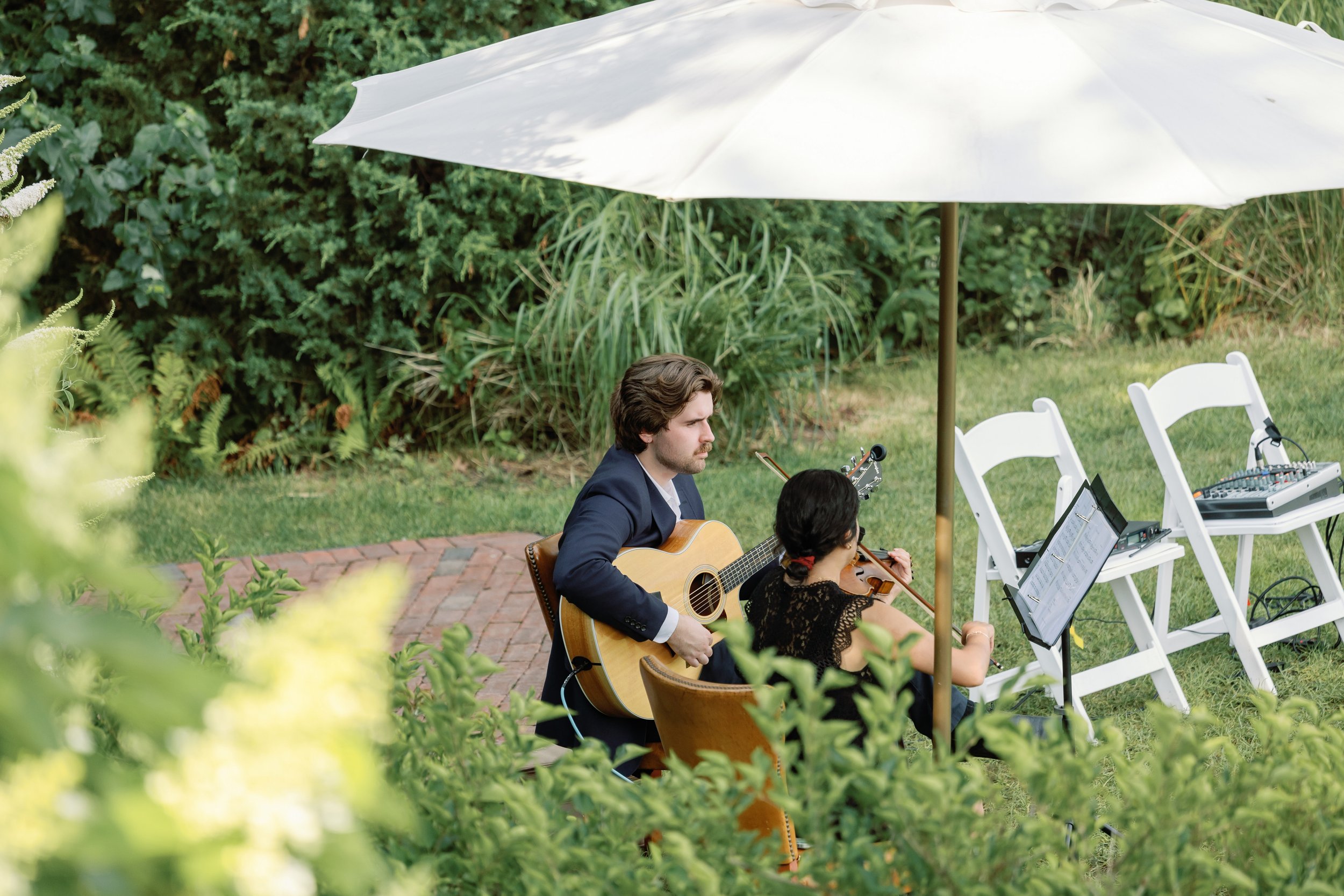
The goal is to support the spoken moments without overpowering them. Have you thought about mic’ing your ceremony? Here’s some info on our suggestions.
6. The Recessional
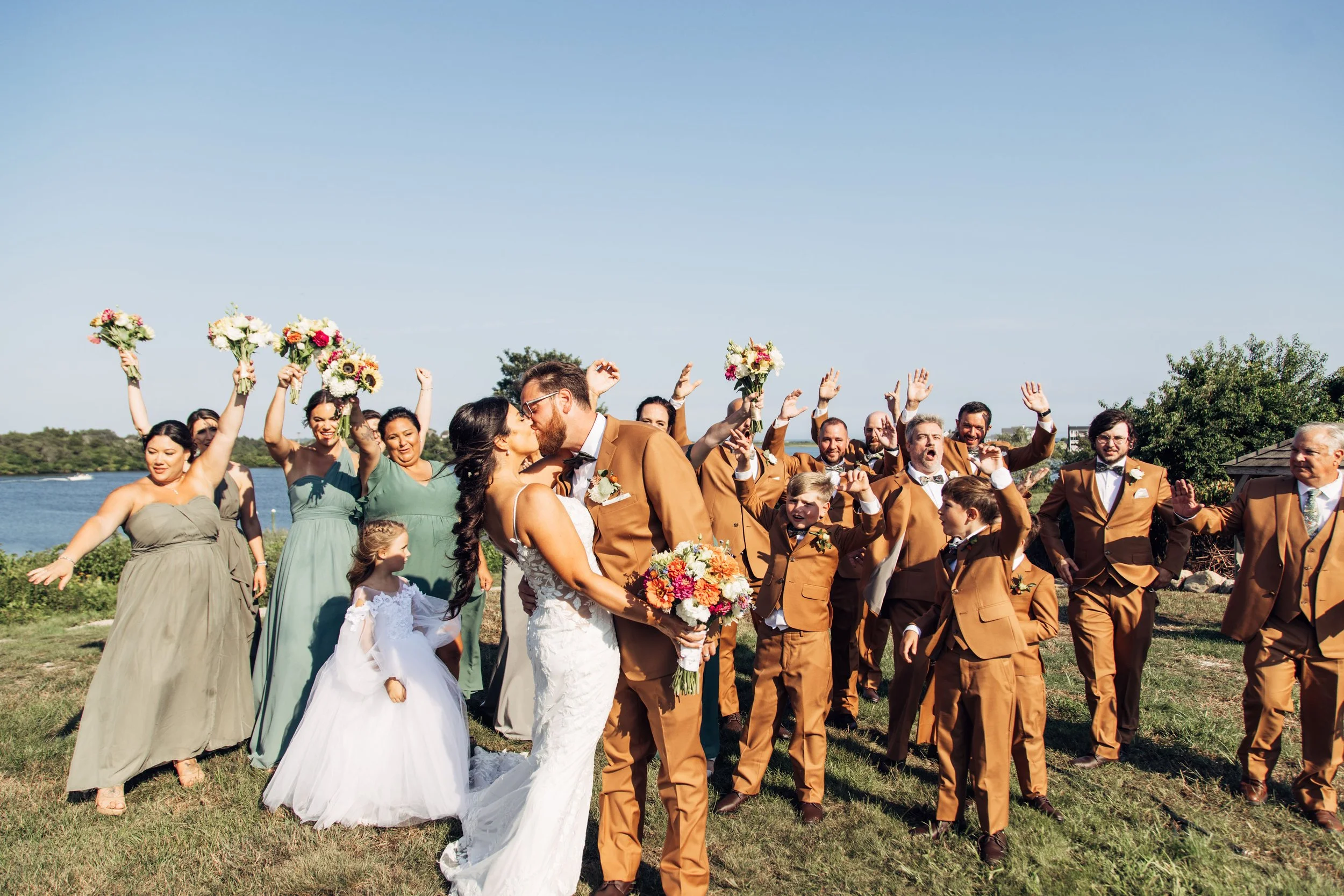
The recessional marks the conclusion of the ceremony and the first moment of celebration.
This is where music becomes energetic, joyful, and celebratory.
Unlike the processional, recessional music is often faster and more dynamic. It signals that the formal portion of the ceremony is complete and the celebration is beginning.
7. Popular Wedding Ceremony Songs Brides Love Right Now
Choosing ceremony music can feel overwhelming because there are so many beautiful options. The best approach is to choose songs that match the emotion of each moment rather than trying to follow trends.
Here are ten of the most requested and timeless ceremony songs we see performed regularly by live musicians:
SpeechLess Music's Top 10 Recommended Ceremony Songs
A Thousand Years– Christina Perri
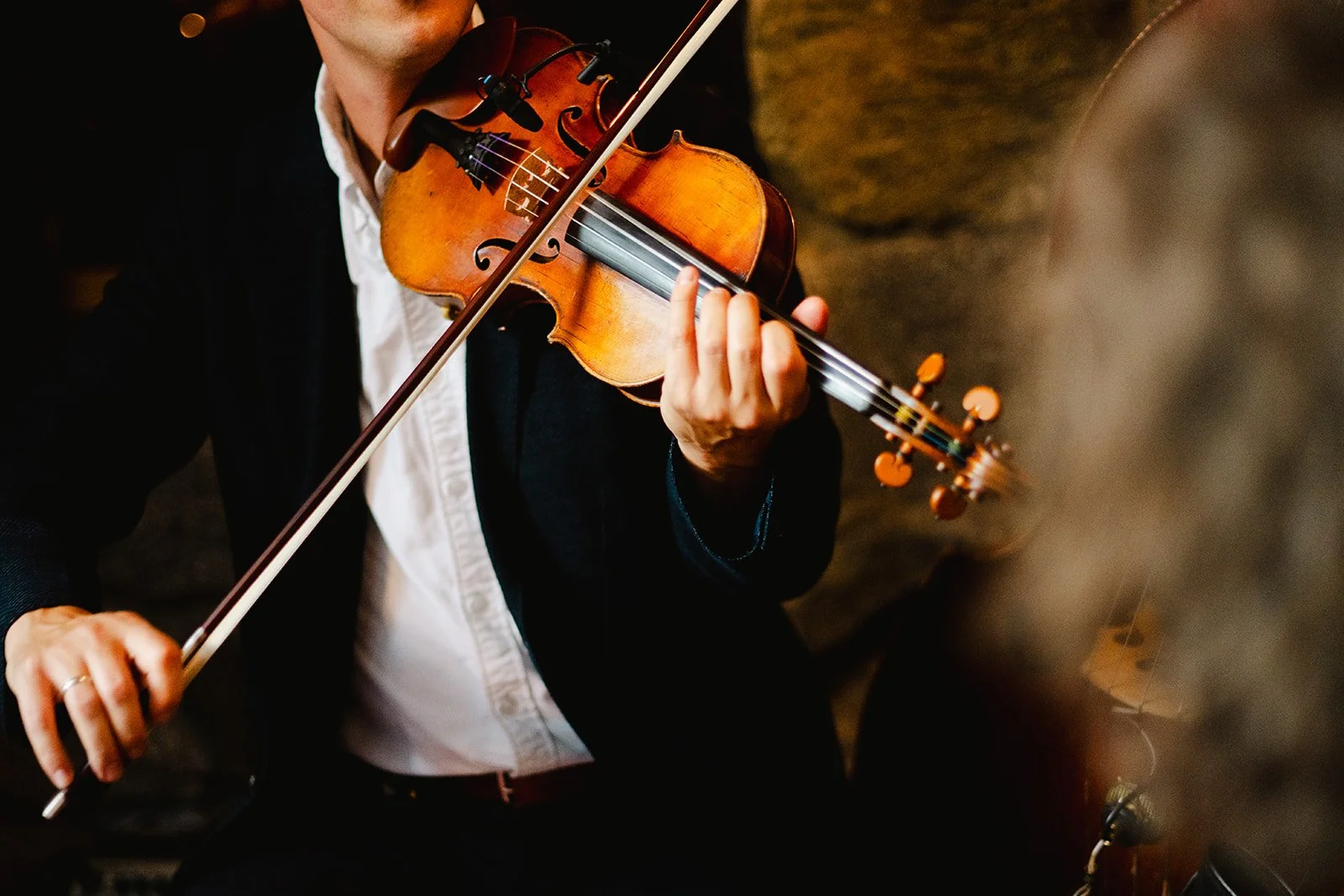
Each of these songs works beautifully as an original recording or arranged for a string quartet, violin, piano, or acoustic ensemble.
A helpful tip when choosing ceremony music is to think in moments rather than individual songs. One song might work perfectly for guest seating, while another is better suited for the bride’s entrance or recessional.
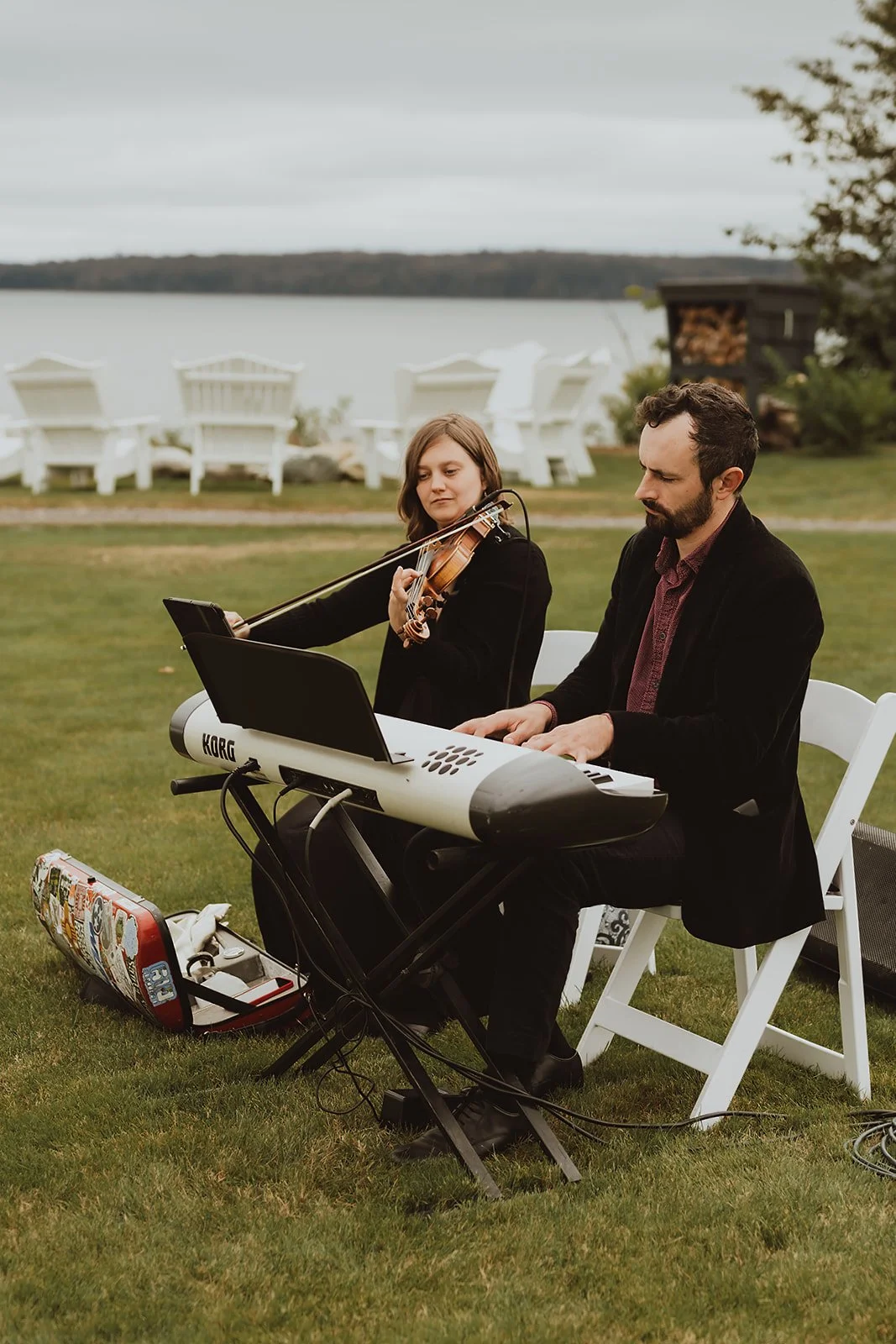
Why Music Is So Important Throughout the Ceremony
Music is not background decoration. It is a structural element of the ceremony itself.
It helps to:
Establish emotional tone before any words are spoken
Guide transitions between each phase of the ceremony
Create anticipation and release at key moments
Support pacing so nothing feels rushed or stagnant
Enhance memory formation during emotional highlights
When done well, music is almost invisible in the moment but deeply memorable afterward.
Couples may not remember every note that was played, but they will remember how each moment felt. That emotional memory is shaped significantly by music.
Final Thoughts
A wedding ceremony is not just a sequence of events. It is an emotional arc.
Music is what gives that arc shape, rhythm, and depth. From the first guest who arrives to the final recessional step, every musical choice contributes to how the story is experienced in real time.
When thoughtfully planned, ceremony music does not just accompany the moment. It defines it.